
Contraceptive Counseling & Birth Control
Birth control options explained by your provider at 15 Georgia clinics. Pills, patches, IUDs, and long-acting methods. No OB/GYN referral needed.

Most Insurance Accepted
FSA & HSA Accepted
Self-pay available





+ Others
Comprehensive birth control care nearby
Birth control options, from pills and patches to IUDs and long-acting methods, are explained by your provider at AllCare's 15 Georgia clinics, with no OB/GYN referral needed. Book an appointment; self-pay starts at $140.

Barrier Contraception
Condoms and other non-hormonal options if you prefer to avoid medication.
IUDs and Implants
Long-acting reversible options; we refer you to a gynecologist to place them.
Depo-Provera Shot
An injection that prevents pregnancy for about three months.
Oral Contraceptives
Daily birth control pills that prevent pregnancy and can regulate your cycle.

what to expect
Birth control and contraception without the wait
Talk It Through
Weigh The Options
Stay Supported
15 Georgia clinics offering contraceptive counseling

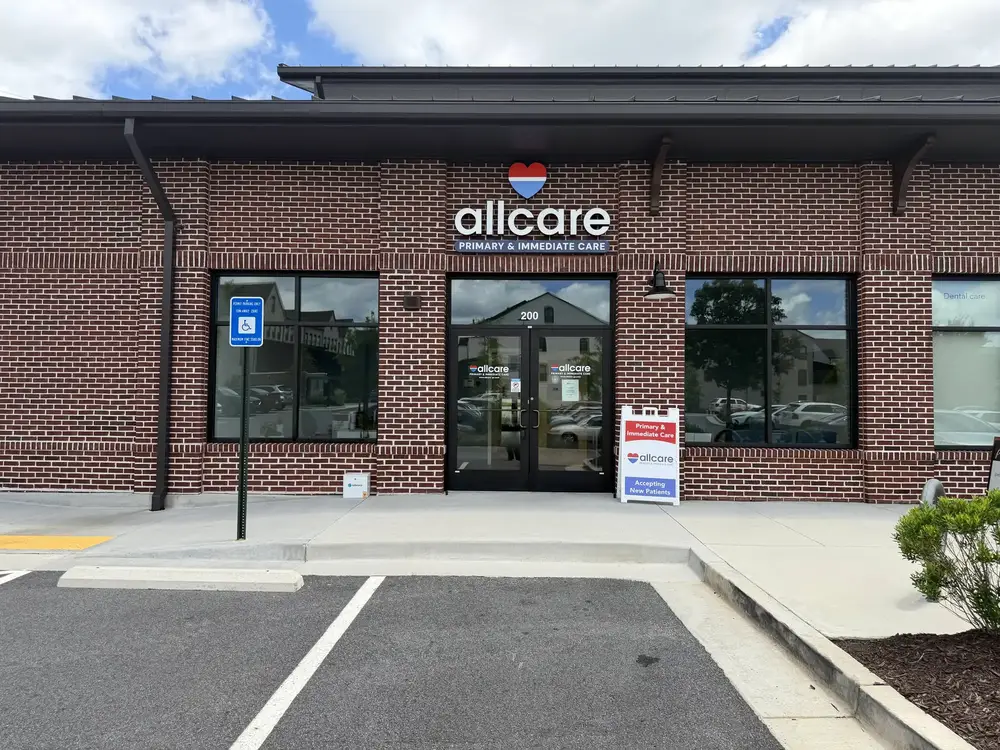



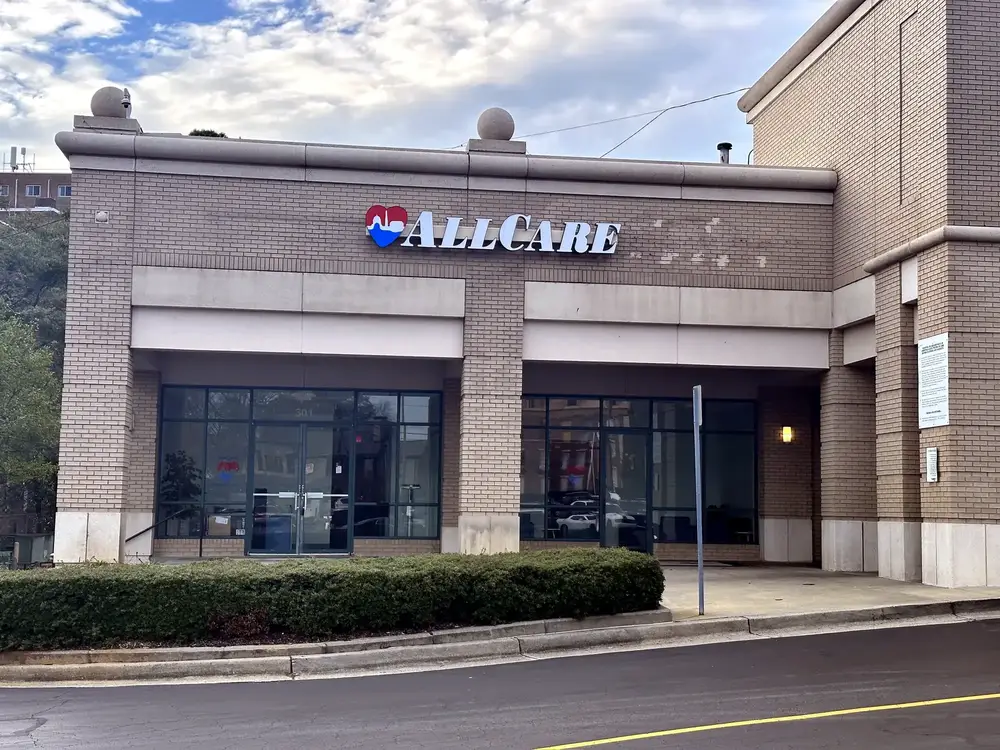

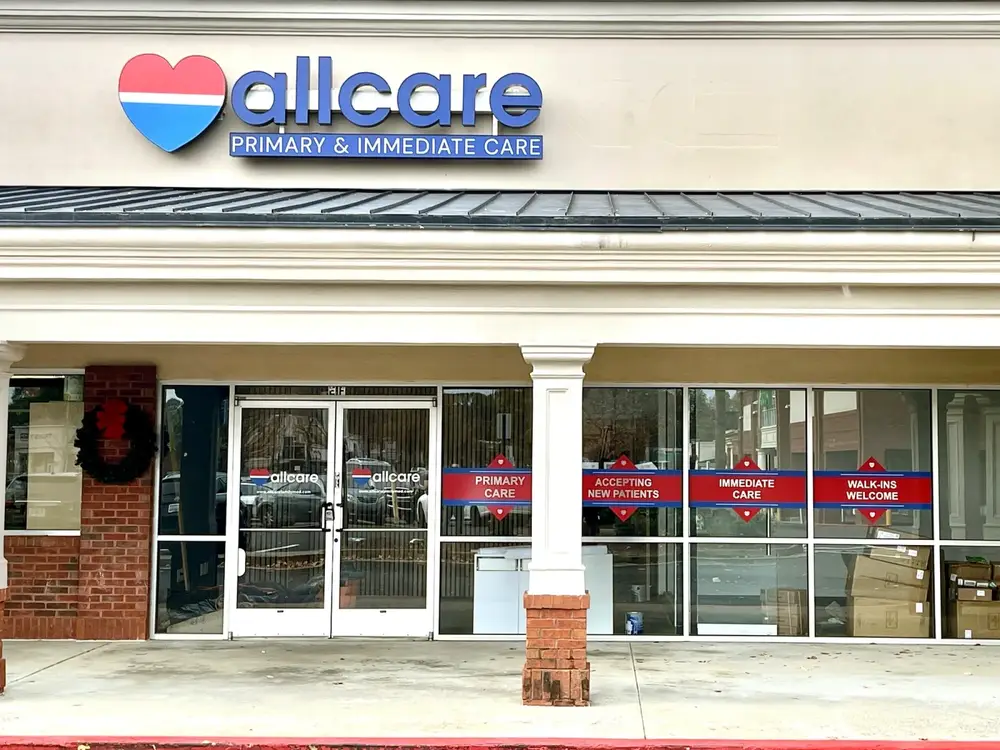

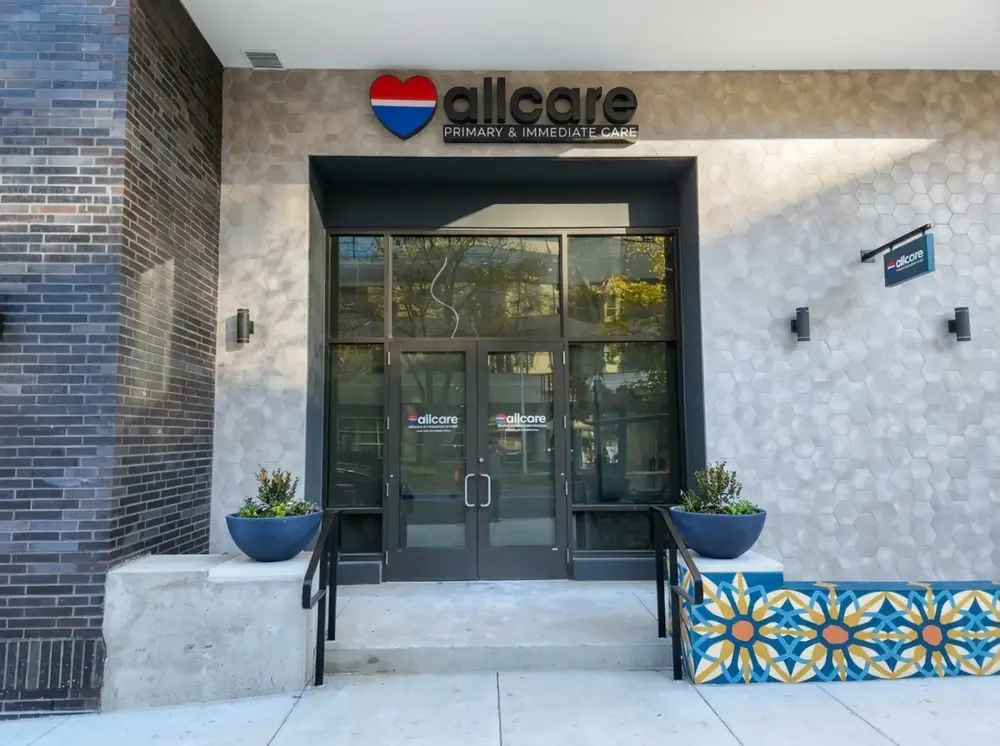
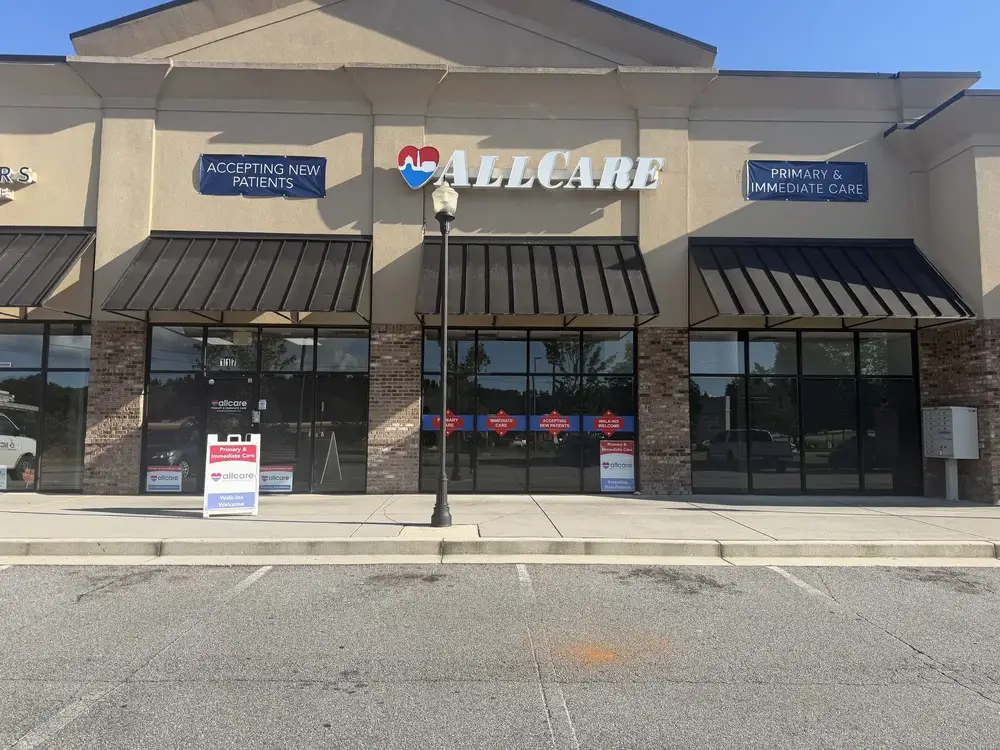
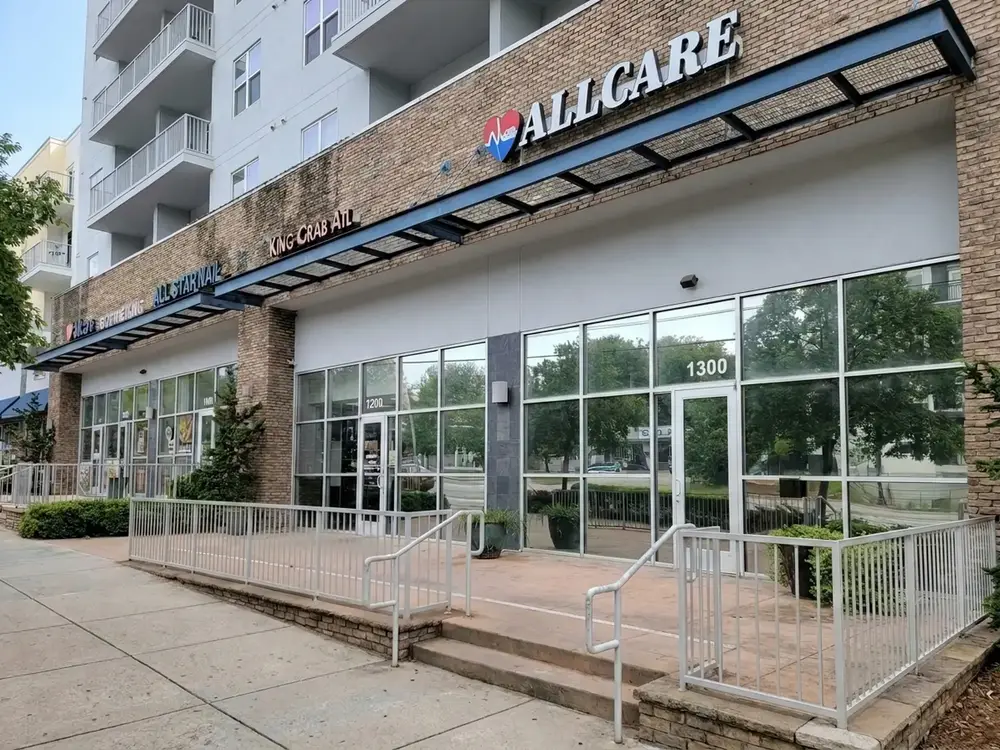

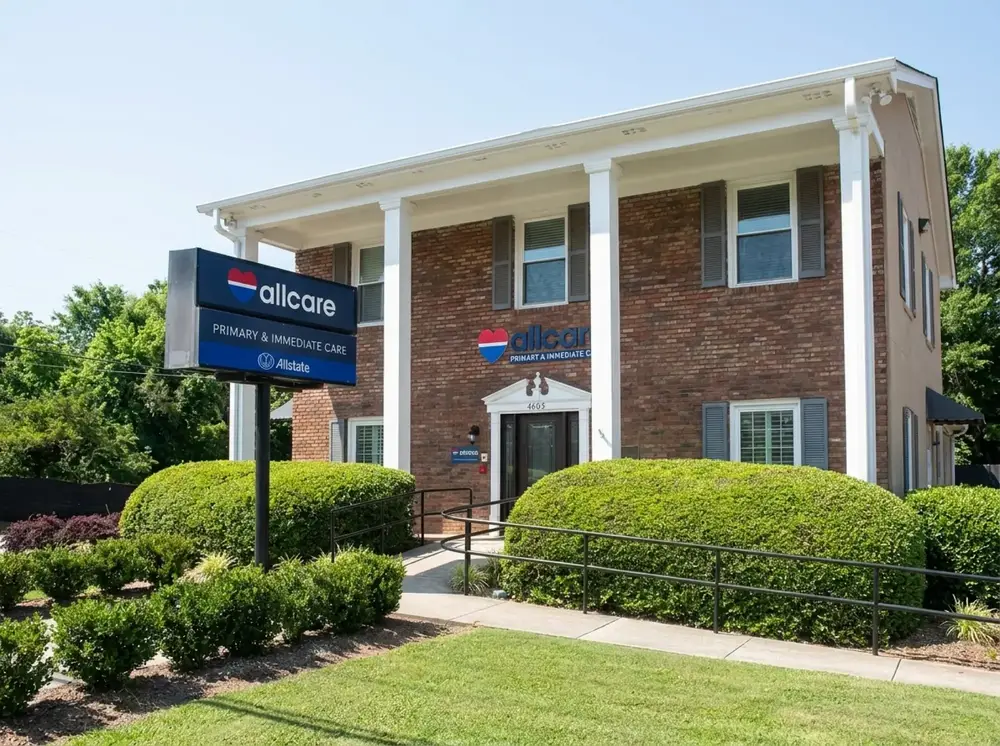

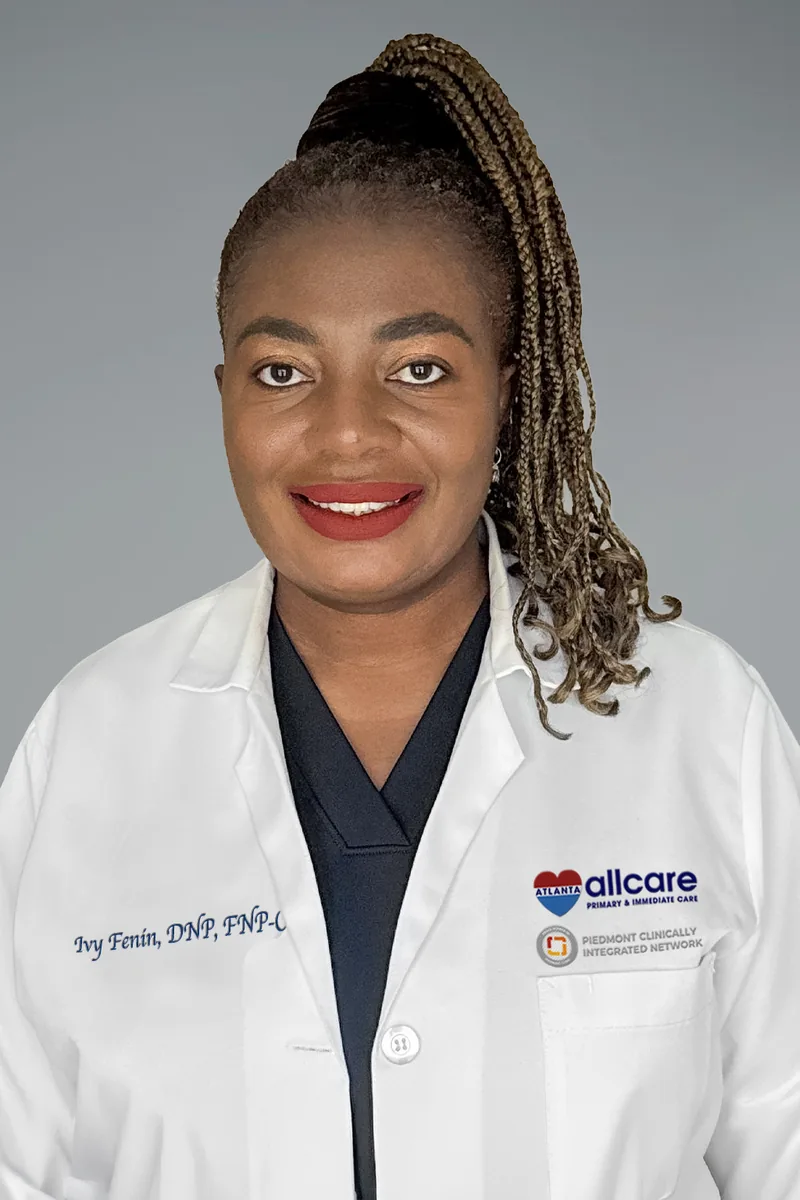
Help from qualified providers & specialists



FAQ
Common questions about birth control
Who can benefit from contraceptive counseling?
Anyone who wants to make informed choices about reproductive health and family planning. That includes young adults exploring birth control for the first time, postpartum women, couples planning a family, people with medical conditions who need safe options, and anyone switching methods. We'll walk through your options and help you find what fits.
What’s the difference between hormonal and non-hormonal birth control?
Non-hormonal birth control options like spermicidal foams, condoms, diaphragms, or IUDs do not affect your body’s natural hormones. Hormonal birth control affects your natural hormones by preventing ovulation, and they can also thin the lining of the uterus or thicken the mucus in the cervix to prevent pregnancy. All contraceptives come with pros and cons, so be sure to discuss them with your AllCare physician.
Are there any medications that interact with birth control?
Yes, there are several medications that can potentially interact with birth control and reduce its effectiveness including antibiotics, antifungal medication, anticonvulsants, and high doses of vitamin C. During your contraception consultation with an AllCare doctor, be sure to discuss any current medications you are taking. In addition, if you start a new medication, be sure your doctor is aware so they can make any adjustments needed.
What happens if I stop my birth control?
Once you stop your birth control, your hormones will readjust. You may experience irregular menstrual cycles, including longer, heavier periods. You could also experience weight gain or a lower libido. And, of course, you may get pregnant.
What are the risks and side effects of birth control?
Hormonal contraceptives, such as birth control pills, patches, or injections, may cause side effects like nausea, headaches, breast tenderness, and mood changes. Some women experience changes in their menstrual cycle, including lighter periods or breakthrough bleeding. Weight gain is sometimes reported, though studies show this effect is generally minimal. More serious but less common side effects can include blood clots, especially in women who smoke or have certain health conditions. Non-hormonal methods like copper IUDs may lead to heavier periods, increased cramping, and mood changes.
Always Nearby
15 Georgia clinics offering contraceptive counseling
Trusted by thousands of customers
People are very friendly very nice clean atmosphere good Doctor
Randy
Midtown
Very concerned and helpful.No wait time.
Sandra
Dallas
Every single person there was super nice! Excellent customer service
Alejandro
Dallas
I'm glad I chose Dr Dawson for my primary care doctor, she's easy to talk and takes the time to listen to you. Nurses are the same.
Gina
Dallas

Get care today
Same-day care at 15 Atlanta locations. Walk in, book online, or start a virtual visit.
Use most insurance, self-pay, HSA, or FSA
Board-certified MD, PA, or NP every visit
Follow-up care at any location, no wait
Most major plans accepted: BlueCross, Aetna, Cigna, UnitedHealthcare, Humana, Kaiser, and more.